Dried Apricot Processing
Dried Apricots from Malatya
Since 1983 - Direct Exporter Malatya Origin - EU PGI Certified Bulk & Private Label
What are Sulphured Dried Apricots?
Looking for unsulphured option? See our Natural Sun-Dried Apricots (Gun Kurusu).
Packaging Options - Retail & Bulk
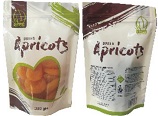
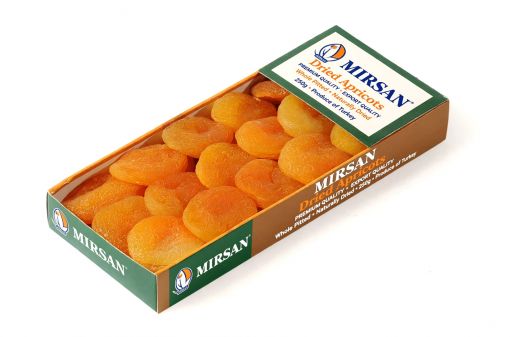
DRIED APRICOT
200g Cartonette
30x200g = 6kg Carton
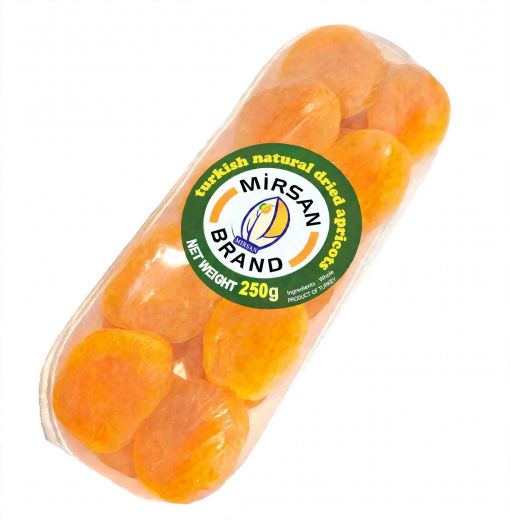
DRIED APRICOT
200g Foam Tray
30x200g = 6kg Carton
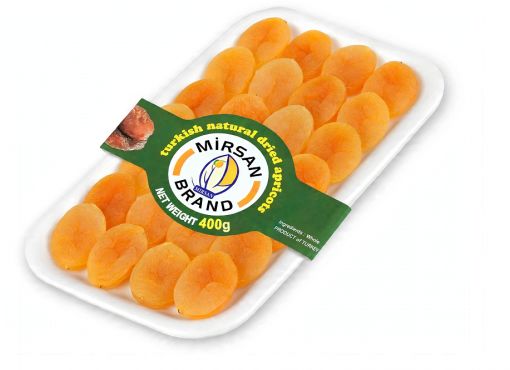
DRIED APRICOT
250g Foam Tray
24x250g = 6kg Carton
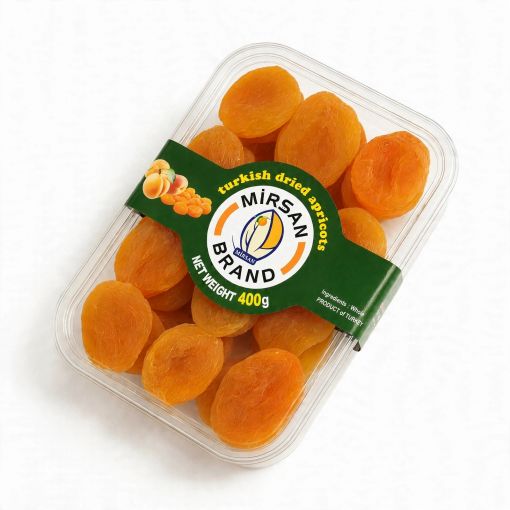
DRIED APRICOT
250g PET Tub
24x250g = 6kg Carton
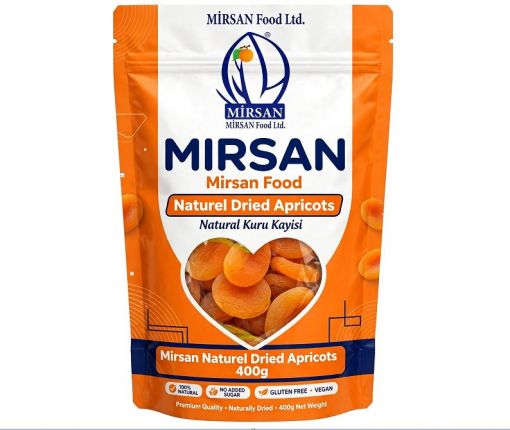
DRIED APRICOT
400g Doypack
20x400g = 8kg Carton
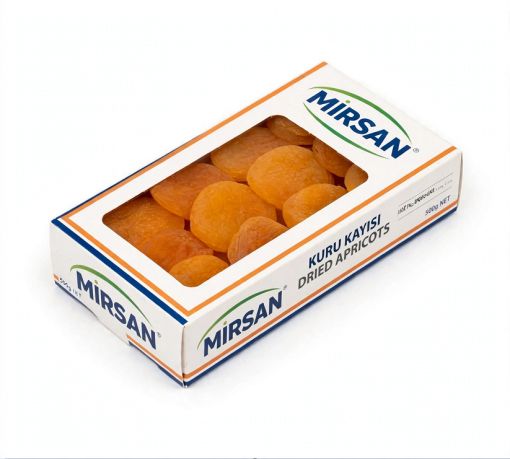
DRIED APRICOT
500g Carton Box
20x500g = 10kg Carton
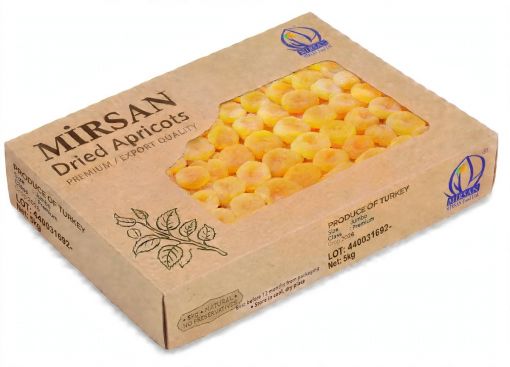
DRIED APRICOT
5kg Carton Box
Bulk Pack - Export Standard
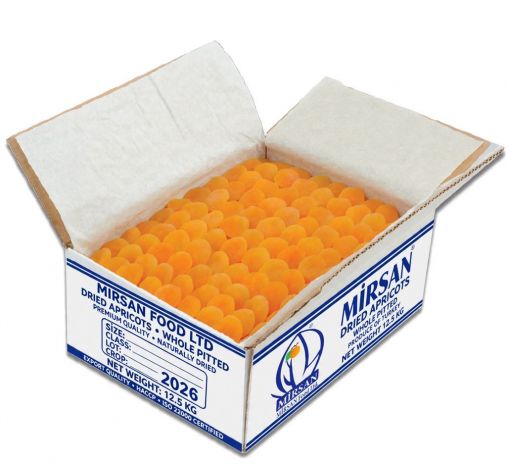
DRIED APRICOT
12.5kg Bulk
Industrial - Export Standard
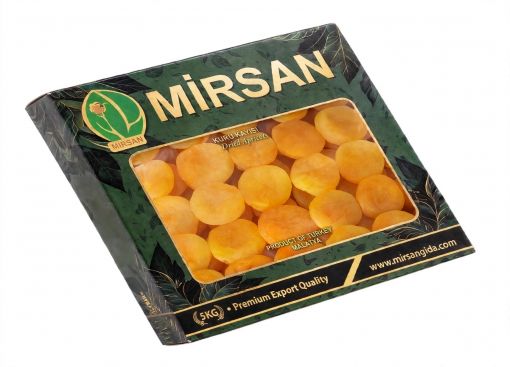
DRIED APRICOT
1000g Box
10x1000g = 10kg Carton
Grades: Extra, Class 1, Fancy
Extra Grade
Highest quality sulphured dried apricots. Uniform bright orange color, uniform size, defect-free. For premium retail and EU/US supermarkets.
Class 1
Excellent quality for retail and wholesale. Slight color and size variation allowed per UNECE standard. Best price/quality for importers.
Fancy / Industrial Grade
Cost-effective option for food manufacturing, bakery, confectionery and reprocessing. Suitable for dicing and paste.
Size Classification (Caliber per kg)
| Jumbo 61-80 | Size 1 81-100 | Size 2 101-120 | Size 3 121-140 | Size 4 141-160 |
|---|---|---|---|---|
| Large | Large | Medium-Large | Medium | Medium-Small |
| Size 5 161-180 | Size 6 181-200 | Size 7 201-220 | Size 8 221+ |
|---|---|---|---|
| Small | Small | Petit | Petit |
Product Specification
| Specification | Details |
|---|---|
| Origin | Malatya, Türkiye - EU PGI Certified Malatya Kayisisi. 9 million apricot trees. World's apricot capital. |
| Product | Sulphured dried apricots - Whole pitted sun dried |
| Treatment | Sulphur dioxide (SO₂) for color retention |
| Grades | Extra, Class 1, Fancy |
| Moisture | 24% maximum |
| SO₂ | Controlled per customer & destination. EU compliant: max 2000 ppm |
| Shelf Life | 12-18 months in cool, dry storage |
| Harvest | June-July, available year-round from cold storage |
Nutritional Values per 100g
- Energy: 249.11 kcal
- Protein: 3.6 g
- Fat: 0.41 g
- Fiber: 6.47 g
- Carbohydrate: 60.99 g
- Total Sugar: 39.3 g
- Salt: 0.03 g
Why Buy from Mirsan Gida - Direct Malatya Supplier?
- Since 1983: 40+ years experience in Malatya.
- Direct Supplier - One Address - No Middleman: Factory in Yesilyurt / Malatya.
- Custom Packing: Private label, custom caliber, SO2 and moisture per your market.
- Export Ready: Documents: Phytosanitary, Health Certificate, Certificate of Origin, PGI proof.
- Markets: USA, Germany, France, UK, Netherlands, Russia, Australia, Brazil, Canada, Egypt and 100+ more.
Address: Tepekoy Mah. No:169/1 Yesilyurt / Malatya, Turkey
Tel: +90 422 296 11 10
Email: info@mirsangida.com | export@mirsangida.com
FAQ - Sulphured Dried Apricots
What is the difference between sulphured and natural dried apricots?
Sulphured apricots retain bright orange color due to SO2 treatment. Natural gun kurusu are sun-dried without sulphur, dark brown color, more intense flavor.
What is the SO2 level and moisture content?
Moisture max 24%. SO2 controlled per EU regulation max 2000 ppm and adjusted per customer and destination country.
Do you offer private label?
Yes. We offer Doypack, pillow bag, quadro bag, foam tray, PET tub, carton box with your brand. MOQ per design: 500kg.